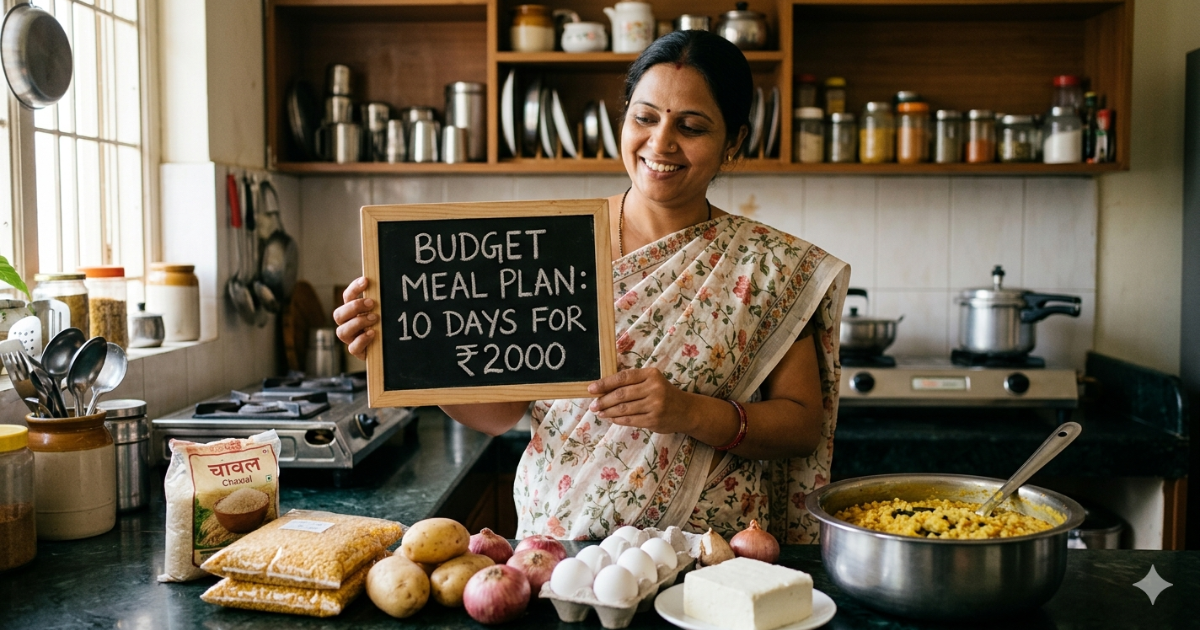
Living well doesn’t have to mean spending a fortune, even with the rising costs of groceries in 2026. If you are looking for a 2026 budget meal plan that balances nutrition, flavor, and extreme affordability, you are in the right place. Managing to eat for 10 days on just ₹2000 requires a strategic approach to shopping and cooking, but it is entirely possible with the right roadmap. This guide provides a practical, step-by-step breakdown of how to stretch your rupees without sacrificing the joy of a good meal, focusing on wholesome ingredients and smart kitchen habits.
1. The Power of Seasonal Shopping
Buying produce that is currently in season is the cornerstone of any 2026 budget meal plan. Seasonal vegetables are not only cheaper due to high supply but also pack more nutrients and flavor. Check your local mandi for the best prices on regional staples.
2. Wholesale Grains and Pulses
Grains like rice and flour, along with lentils (dals), should be the backbone of your pantry. Buying these in 2kg or 5kg packs instead of small daily sachets significantly reduces the cost per meal, providing long-lasting energy for the entire 10-day period.
3. Mastering the Art of Batch Cooking
To stay within a ₹2000 budget, avoid cooking individual portions. Prepare large batches of base gravies or boiled legumes that can be repurposed into different dishes. This saves both fuel and expensive spices, ensuring nothing goes to waste over the ten days.
4. Eggs: The Budget Protein King
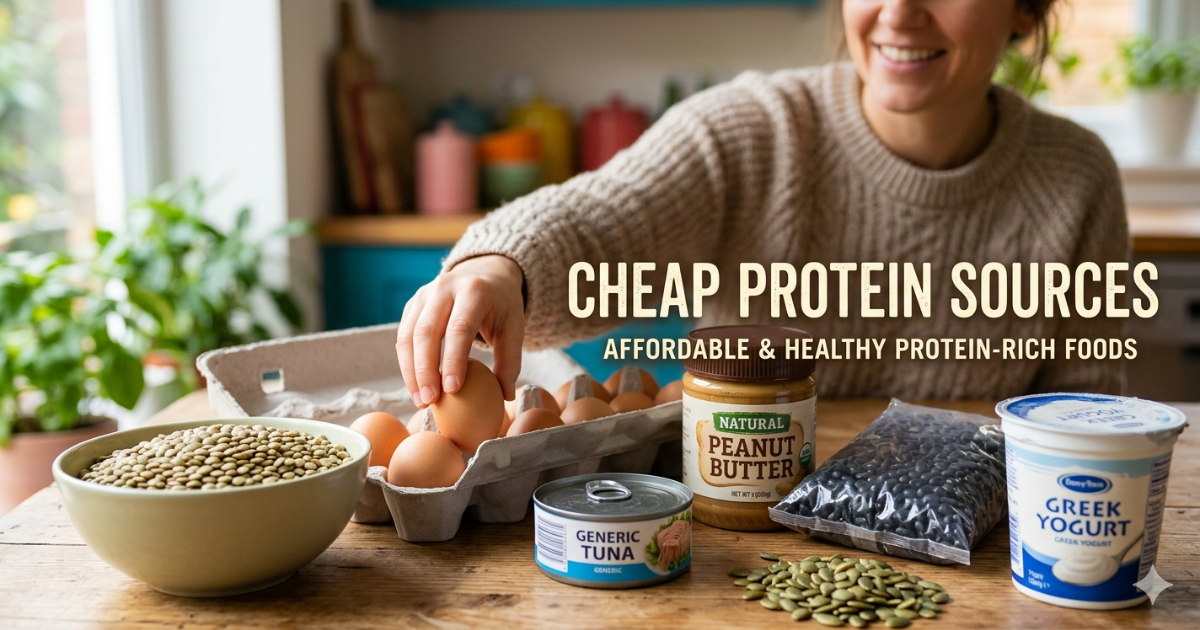
In 2026, eggs remain the most cost-effective source of high-quality protein. A single crate can provide breakfasts, egg curries, or quick bhurji dinners. They are versatile, store well without complex refrigeration, and keep you feeling full for much longer.
5. Embracing “One-Pot” Wonders
Khichdi, Pulao, and Tehri are your best friends when saving money. By cooking grains and vegetables together, you use less oil and fewer spices. These one-pot meals are hearty, satisfying, and help you control portion sizes effectively while keeping cleanup simple.
6. Minimizing Processed Food Costs
Pre-packaged snacks and instant noodles might seem cheap, but they offer zero nutritional value and inflate your daily spend. Replace these with homemade roasted makhana or peanuts. Staying away from the “convenience aisle” is vital for maintaining a ₹2000 limit.
7. Strategic Use of Dairy
Milk and curd can be expensive if used excessively. Focus on using curd to make “Kadhis” or “Raitas,” which stretch a small amount of dairy into a full meal. Making your own curd at home from a liter of milk is much cheaper than buying plastic tubs.
8. The “First In, First Out” Rule
Organize your pantry so that older ingredients are used first. This prevents food waste, which is essentially throwing money away. In a tight 10-day schedule, ensuring that no vegetable wilts or grain spoils is key to hitting your budget goal.
9. Flavoring with Basic Aromatics
You don’t need expensive sauces to make food taste good. Onions, garlic, ginger, and green chilies are affordable and provide a deep flavor base. Buying these in bulk at the start of your 10 days ensures every meal is aromatic and delicious.
10. Potato: The Universal Filler
Potatoes are incredibly cheap and highly caloric. Adding them to curries, stews, or even parathas helps bulk up a meal without significantly increasing the cost. They are the ultimate “filler” food that ensures no one leaves the table feeling hungry.
11. Reducing Oil Consumption
Cooking oil is a hidden cost that adds up quickly. By using non-stick pans or opting for steaming and pressure-cooking, you can cut your oil usage in half. This is better for your wallet and significantly healthier for your heart.
12. Utilizing Vegetable Scraps
Don’t throw away cauliflower stems or coriander roots. These can be used to flavor soups or ground into chutneys. In a high-quality budget plan, every edible part of the plant is utilized to ensure you get the maximum value for your money.
13. Smart Breakfast Choices
Skip expensive cereals and opt for Poha, Upma, or Dalia. These traditional Indian breakfasts are nutrient-dense and cost pennies per serving. They provide complex carbohydrates that release energy slowly, preventing the need for mid-morning snacks.
14. Drinking Water Over Beverages
Cut out sodas and packaged juices entirely. Stick to plain water, or flavor it with a bit of lemon and mint if you need variety. Eliminating liquid calories is the fastest way to save ₹300–400 over a 10-day grocery cycle.
15. The Importance of a Shopping List
Never enter a grocery store without a strict list based on your 10-day menu. Impulse buys are the enemy of a budget. Sticking to the list ensures you only buy what you will actually consume, keeping your total under ₹2000.
16. Using Soya Chunks for Meat Substitutes
If you crave a meaty texture but can’t afford chicken or mutton, soya chunks are the perfect solution. They are rich in protein, soak up flavors beautifully, and are a fraction of the cost of animal proteins in 2026.
17. Reimagining Leftovers
Last night’s leftover dal can become today’s paratha dough. Transformation is key to avoiding “boredom eating,” which leads to ordering out. Creative repurposing ensures that your budget remains intact while your palate stays excited.
18. DIY Spice Blends
Instead of buying expensive “Garam Masala” or “Kitchen King” packets, buy whole spices and grind them at home. It’s cheaper and the flavor is much more potent, meaning you need to use less to achieve the same culinary effect.
19. Portion Control for High-Value Items
Items like paneer or nuts should be used as garnishes or accents rather than the main bulk of the dish. This allows you to enjoy premium flavors without the premium price tag, spreading the luxury over several days.
20. Storing Produce Correctly
Learn which vegetables need humidity and which need dry air. Properly stored green chilies and coriander can last the full 10 days, preventing the need for a mid-cycle “top-up” shop that often breaks the budget.
SEO Meta Description: Learn how to master a 2026 budget meal plan! Eat well for 10 days for only ₹2000 with our expert tips on grocery shopping, batch cooking, and nutritious recipes.
Focus Keywords:
-
2026 budget meal plan
-
Cheap healthy meals India
-
10 day meal plan ₹2000
-
Grocery shopping on a budget
-
Low cost high protein food
-
Indian meal prep ideas
FAQ Section:
Q1: Is ₹2000 really enough for 10 days in 2026? Yes, if you focus on whole foods like grains, lentils, and seasonal vegetables while avoiding processed items and dining out, ₹2000 is sufficient for one person to eat nutritiously.
Q2: Can I get enough protein on this budget? Absolutely. By prioritizing eggs, soya chunks, and a variety of pulses (dals), you can meet your daily protein requirements without expensive supplements or meat.
Q3: Does this plan include snacks? The plan focuses on three main meals, but by buying peanuts or roasting chickpeas at home, you can include healthy snacks within the same budget.
Internal Linking Suggestions:
-
Top 5 High-Protein Vegetarian Recipes for Students
-
The Ultimate Guide to Storing Vegetables Without a Fridge
-
How to Reduce Monthly Grocery Bills by 30%
Conclusion
Succeeding with a 2026 budget meal plan is all about mindfulness and preparation. By focusing on bulk staples, seasonal produce, and minimizing waste, you can enjoy delicious, home-cooked meals for just ₹2000 over ten days. This approach doesn’t just save money; it encourages a healthier, more sustainable lifestyle. Start small, plan your menu, and you’ll find that eating well on a budget is both rewarding and surprisingly simple.