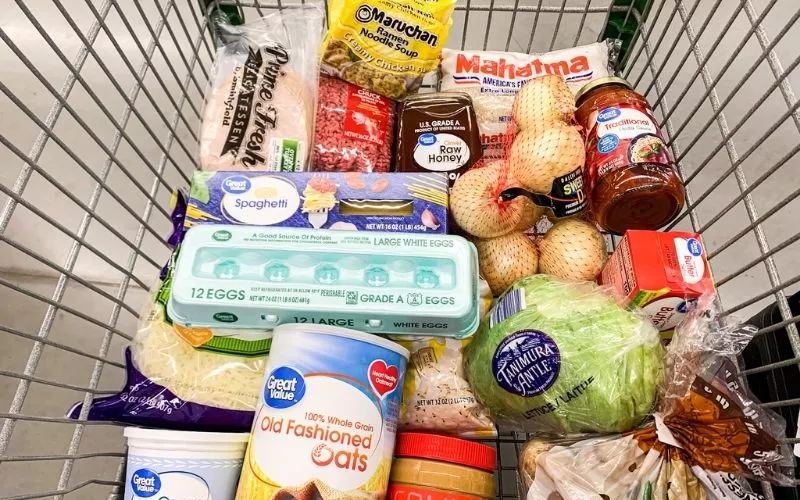
Managing your household finances often feels like a balancing act, and nowhere is that more apparent than at the supermarket. Creating a monthly budget grocery list isn’t just about restriction; it’s about strategic planning and maximizing every dollar you spend. Whether you are facing rising food costs or simply trying to save for a big goal, mastering the art of the “big shop” can transform your kitchen and your bank account. In this guide, we will explore practical, expert-backed strategies to help you navigate thirty days of delicious, nutritious meals without breaking the bank or sacrificing quality.
1. Conduct a Thorough Pantry Audit
Before heading to the store, check what you already own. Look at the back of your cupboards and the bottom of your freezer. Using up that half-bag of lentils or forgotten pasta can save you $20 immediately, ensuring your monthly budget grocery list only includes essentials.
2. Design a Flexible Meal Plan
Meal planning is the foundation of budget success. Instead of rigid daily recipes, choose “theme nights” or versatile ingredients. Planning around what is on sale allows you to stretch your dollars further while ensuring your family has a variety of healthy options all month long.
3. Embrace the Power of Bulk Grains
Items like rice, oats, and quinoa are nutritional powerhouses that cost pennies when bought in bulk. These shelf-stable staples serve as the base for hundreds of meals, from breakfast porridges to hearty dinner bowls, providing long-lasting energy without inflating your grocery bill.
4. Prioritize Frozen Vegetables
Don’t overlook the freezer aisle. Frozen vegetables are picked at peak ripeness and flash-frozen, locking in nutrients. They are often much cheaper than fresh counterparts, won’t spoil before you use them, and are already chopped, saving you valuable prep time during busy weeknights.
5. Stick to Seasonal Produce
When buying fresh, always follow the seasons. Strawberries are expensive and tasteless in winter, but affordable in summer. Buying seasonal produce ensures you get the best flavor for the lowest price, as the abundance of supply naturally drives down the retail cost at the store.
6. Master the Art of “Meatless Mondays”
Animal protein is usually the most expensive item on a monthly budget grocery list. By substituting meat with beans, chickpeas, or eggs just two nights a week, you can significantly reduce your total spending while increasing your fiber intake and experimenting with global cuisines.
7. Utilize Store-Brand Alternatives
Generic or store-brand products are often manufactured in the same facilities as name brands but cost 30% to 50% less. From canned tomatoes to spices and flour, switching to the “white label” version is a painless way to trim your monthly expenditure without noticing a difference.
8. Shop with a Strict Physical List
Never walk into a grocery store without a written or digital list. Impulse buys are the enemy of a small budget. By committing to only purchasing what is on your list, you avoid the “shiny object” syndrome that leads to unnecessary snacks and expensive treats.
9. Understand “Price Per Unit”
Ignore the large price tag on the shelf and look at the small “price per unit” (e.g., price per ounce). This allows you to accurately compare different sizes and brands. Sometimes the larger “value pack” isn’t actually the best deal, and this math proves it.
10. Limit Pre-Cut and Pre-Packaged Foods
You pay a high premium for convenience. Pre-washed salads, sliced onions, and shredded cheese can cost double the price of the whole versions. By spending ten minutes doing your own chopping, you keep those extra dollars in your pocket where they belong.
11. Buy Whole Chickens Instead of Parts
A whole chicken is significantly cheaper per pound than boneless breasts or thighs. You can roast the whole bird for dinner, use the leftovers for sandwiches, and boil the bones to create a nutritious soup stock, effectively getting three meals for the price of one.
12. Stock Up During Loss Leader Sales
Grocery stores often sell certain items at a loss (like milk or eggs) just to get you in the door. When shelf-stable items like pasta sauce or canned tuna go on these deep discounts, buy enough to last the entire month to lower your average cost.
13. Optimize Your Storage Habits
Proper food storage prevents waste. Learn which fruits belong in the fridge and which stay on the counter. Use airtight containers for grains and flour. Reducing food waste is the most direct way to ensure your monthly budget grocery list actually lasts the full thirty days.
14. Make Your Own Condiments and Dressings
Store-bought salad dressings and sauces are filled with sugar and preservatives. You can make a delicious vinaigrette with just oil, vinegar, and mustard for a fraction of the cost. These small savings add up quickly when you stop buying bottled convenience items.
15. Shop the Perimeter First
The edges of the store usually contain the whole foods—produce, meat, and dairy. The middle aisles are packed with processed, high-margin snacks. By filling your cart with whole foods first, you prioritize nutrition and avoid the high-cost traps of the processed food sections.
16. Use Leftovers Creatively
Never throw away food. Yesterday’s roasted vegetables can become today’s frittata filling. Extra rice can be turned into fried rice. Adopting a “zero-waste” mindset ensures that every cent of your grocery budget is consumed rather than ending up in the trash bin.
17. Check the Discount “Manager’s Special” Section
Many stores have a dedicated area for items nearing their “best by” date. You can find high-quality meats, breads, and produce at 50% to 70% off. These are perfect for immediate consumption or for freezing to use later in the month.
18. Avoid Shopping While Hungry
It is a classic rule for a reason: hunger leads to impulse spending. Eat a small snack before you go to the store so you can make logical decisions based on your meal plan rather than emotional decisions based on your stomach’s cravings.
19. Drink More Water, Buy Fewer Drinks
Soda, juice, and energy drinks provide little nutritional value but carry a heavy price tag. By switching to tap water or home-brewed tea, you can shave a significant amount off your total bill, leaving more room for high-quality proteins and fresh vegetables.
20. Track Your Spending Mid-Month
Don’t wait until the end of the month to see how you did. Check your receipts after two weeks. If you’ve spent more than half your budget, you know you need to rely more on pantry staples for the remaining fifteen days to stay on track.
SEO Meta Description:
Learn how to create an effective monthly budget grocery list to save money. Discover 20 expert tips on meal planning, bulk buying, and reducing food waste today.
Focus Keywords:
- Monthly budget grocery list
- Cheap grocery shopping tips
- Meal planning on a budget
- How to save money on groceries
- Budget-friendly meal prep
- Grocery list for small budgets
FAQ Section:
Q: How much should I spend on groceries per month? A: This depends on your household size and location, but a common goal is to aim for $250–$300 per person. Using a structured list helps keep this number manageable.
Q: Are canned vegetables as healthy as fresh ones? A: Yes! Canned vegetables are processed at their peak. Just look for “no salt added” versions to keep them heart-healthy and budget-friendly.
Q: Can I really save money by buying in bulk? A: Absolutely, provided you buy items you actually use. Bulk grains, beans, and spices offer the highest savings over time compared to small individual packages.
Internal Linking Suggestions:
- 10 Easy 30-Minute Meals for Busy Weeknights
- The Ultimate Guide to Kitchen Pantry Organization
- How to Freeze Fresh Herbs to Prevent Waste
Conclusion:
Managing a monthly budget grocery list is a skill that pays dividends for a lifetime. By combining smart planning, savvy shopping habits, and a bit of kitchen creativity, you can eat exceptionally well even on a modest income. Remember, the goal isn’t just to spend less—it’s to eat better by being intentional with every purchase. Start small, stay consistent, and watch your savings grow every month.
Leave a Reply