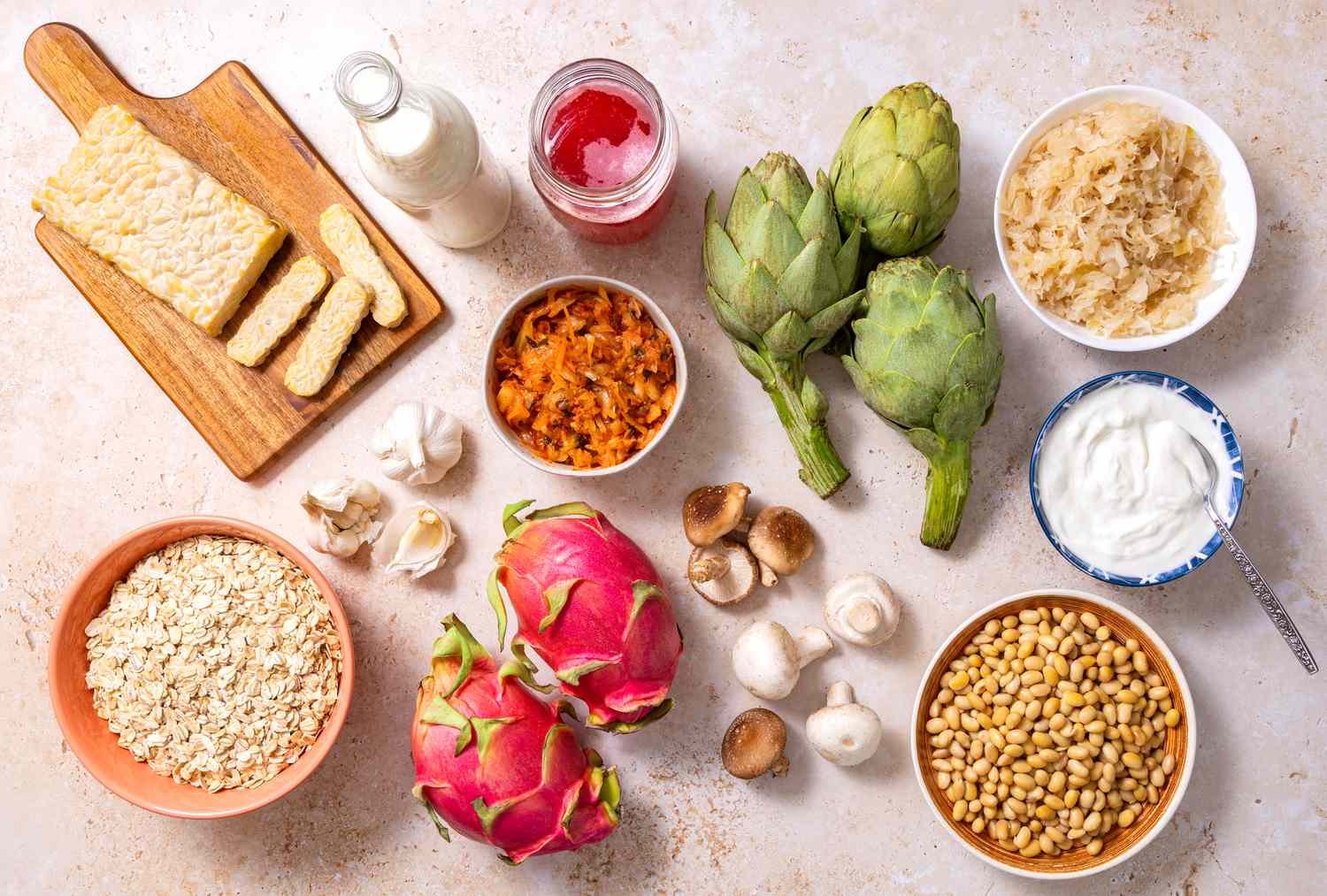
The secret to a vibrant, high-energy life often starts in the most unexpected place: your digestive tract. Your gut is home to trillions of bacteria that influence everything from your immunity to your mood. Integrating the best probiotic foods for gut health into your daily diet is one of the most effective ways to support this internal ecosystem. These living microorganisms help balance your microbiome, improve nutrient absorption, and shield your stomach from harmful pathogens. Whether you are looking to ease bloating or simply boost your overall wellness, choosing the right fermented foods can transform your digestive health from the inside out.
1. The Power of Greek Yogurt
Greek yogurt is a superstar in the world of probiotics. Unlike regular yogurt, it is strained to remove excess whey, resulting in a thicker consistency and higher protein content. Look for labels that explicitly state “live and active cultures” to ensure you are getting a potent dose of beneficial bacteria.
2. Traditional Korean Kimchi
Kimchi is a spicy, fermented cabbage dish that provides a massive punch of Lactobacillus bacteria. This staple of Korean cuisine doesn’t just offer probiotics; it’s also packed with vitamins A, C, and K. Its unique fermentation process makes it a powerhouse for strengthening the stomach lining and improving digestion.
3. Savory Miso Paste
Miso, a traditional Japanese seasoning made from fermented soybeans, salt, and koji, is rich in Aspergillus oryzae. This probiotic strain is excellent for reducing the risk of digestive disorders. Adding a spoonful of miso to warm (not boiling) soups helps maintain its delicate live enzymes.
4. Refreshing Milk Kefir
Kefir is a fermented milk drink with a consistency similar to thin yogurt. It contains a much wider variety of probiotic strains than yogurt, making it even more effective for gut colonization. It is also generally well-tolerated by those with mild lactose intolerance due to the fermentation process.
5. Tangy Raw Sauerkraut
Sauerkraut is finely shredded cabbage that has been fermented by various lactic acid bacteria. To get the gut-health benefits, always choose the refrigerated, “raw” variety. Canned sauerkraut is usually pasteurized, a heat process that kills the very beneficial bacteria your stomach needs for protection.
6. Sparkling Kombucha Tea
Kombucha is a fizzy, fermented tea made with a symbiotic culture of bacteria and yeast (SCOBY). It provides a refreshing way to consume probiotics while offering antioxidant benefits. However, keep an eye on the sugar content, as some commercial brands add extra sweeteners after fermentation.
7. Tempeh: The Plant-Based Giant
Tempeh is a fermented soybean product with a firm, nutty texture. Beyond being a high-quality protein source, the fermentation process reduces phytic acid, making it easier for your body to absorb minerals. It’s a fantastic way for vegans to incorporate probiotics into hearty, cooked meals.
8. Authentic Sourdough Bread
While the baking process kills live bacteria, sourdough fermentation acts as a “pre-digestive” step. This breaks down gluten and antinutrients, making the bread much gentler on the stomach. For many with mild gluten sensitivities, sourdough is the safest and most gut-friendly bread option available.
9. Traditional Buttermilk
Note that we are referring to “traditional” buttermilk—the liquid left over from making butter—not the cultured buttermilk found in most grocery stores. Traditional buttermilk is common in Indian households (Chaas) and is packed with live cultures that aid in cooling and settling the stomach.
10. Natto: The Heart and Gut Hero
Natto is a Japanese dish of fermented soybeans known for its pungent smell and slimy texture. It contains Bacillus subtilis, a powerful probiotic strain that supports both gut health and cardiovascular function. It is also the world’s best source of Vitamin K2.
11. Pickles in Brine
Not all pickles are created equal. To get probiotic benefits, you must choose pickles fermented in salt and water rather than vinegar. Salt-brined pickles develop natural lactic acid bacteria over time, which provides the gut-protecting properties missing from mass-produced vinegar varieties.
12. Aged Cheeses
While most cheese is fermented, only aged varieties like Cheddar, Gouda, and Swiss typically retain live probiotics. These bacteria survive the aging process and can help colonize the gut. Check for “raw” or “unpasteurized” labels on artisanal cheeses for the highest probiotic density.
13. Water Kefir (Dairy-Free)
If you avoid dairy, water kefir is a brilliant alternative. It is made by adding kefir grains to sugar water or fruit juice. The result is a probiotic-rich, fermented beverage that provides many of the same digestive benefits as milk kefir without the lactose.
14. Kvass: The Eastern European Tonic
Kvass is a traditional beverage made from fermented rye bread or beets. Beet kvass, in particular, is prized for its ability to cleanse the blood and support liver function while delivering a healthy dose of probiotics to the digestive system.
15. Supplementing with Prebiotics
Probiotics need fuel to thrive, and that fuel is called prebiotics. Foods like garlic, onions, bananas, and asparagus contain fibers that feed the “good” bacteria in your gut. Pairing your probiotic foods with these prebiotic-rich ingredients creates a synergistic effect for maximum stomach protection.
16. Avoiding “Probiotic” Marketing Traps
Be wary of processed snacks like granola bars or sugary cereals labeled “with probiotics.” These products often contain high levels of sugar and preservatives that can actually harm gut flora, negating the benefits of any added bacteria. Stick to whole, fermented food sources whenever possible.
SEO Meta Description
Discover the best probiotic foods for gut health to protect your stomach naturally. Learn about yogurt, kefir, kimchi, and more to boost your digestive system today!
Focus Keywords
- Best probiotic foods for gut health
- Fermented foods for digestion
- Benefits of probiotics
- Gut microbiome health
- Natural stomach protection
FAQ Section
Q: Can I eat too many probiotic foods? A: While probiotics are generally safe, introducing them too quickly can cause temporary gas or bloating. It is best to start with small servings and gradually increase your intake as your digestive system adjusts.
Q: Do I still need a supplement if I eat these foods? A: For most healthy individuals, a diet rich in diverse fermented foods provides enough probiotics. However, if you are recovering from antibiotics or have chronic digestive issues, a concentrated supplement might be helpful alongside your diet.
Q: Does cooking kill the probiotics in fermented foods? A: Yes, high heat typically kills live probiotic cultures. To reap the benefits, eat foods like kimchi and sauerkraut raw, or add miso and yogurt to dishes after they have been removed from the heat source.
Internal Linking Suggestions
- The Ultimate Guide to Prebiotic Foods: Why fiber is the fuel your gut needs.
- Top 10 Signs of an Unhealthy Gut: And how to fix it through nutrition.
- A Beginner’s Guide to Home Fermentation: How to make your own sauerkraut and pickles.
Conclusion
Cultivating a healthy microbiome doesn’t happen overnight, but consistently choosing the best probiotic foods for gut health is the most sustainable way to protect your stomach. From the tang of sourdough to the crunch of kimchi, these functional foods offer a delicious path to improved immunity and digestion. By prioritizing whole, fermented ingredients and pairing them with a balanced lifestyle, you can build a resilient gut that supports your health for years to come.
Leave a Reply