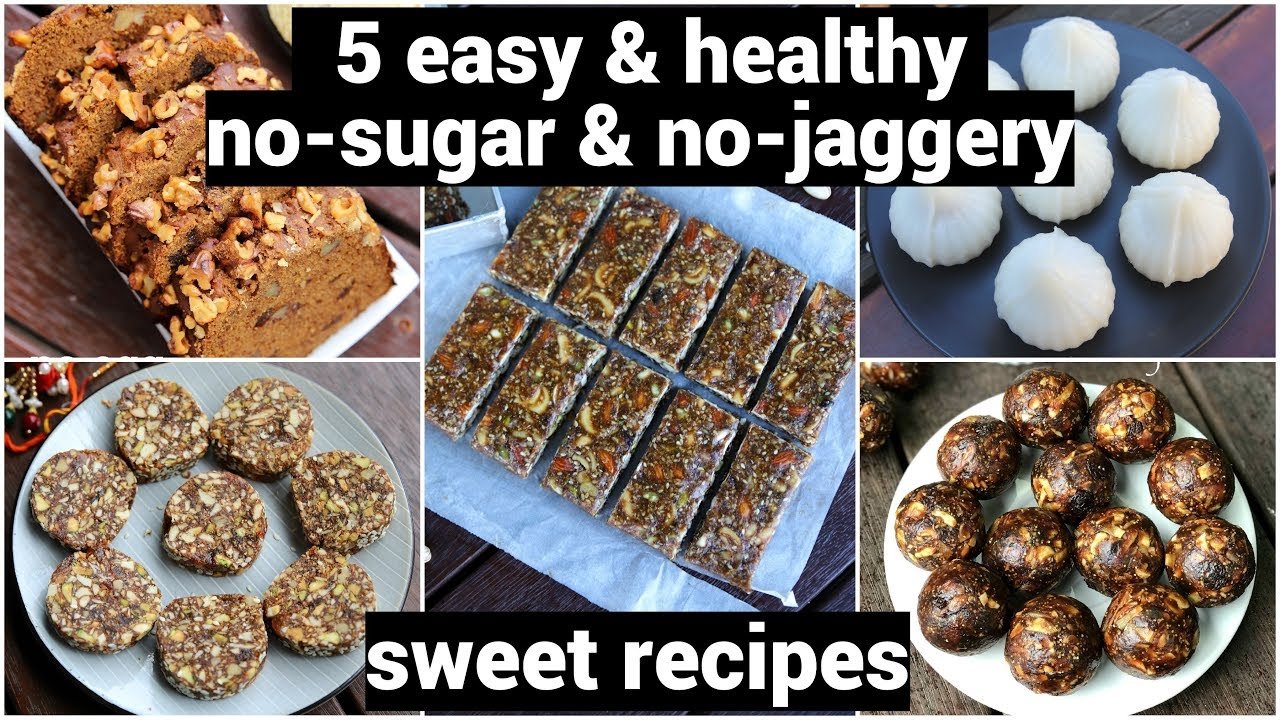
Managing a sweet tooth while navigating a diagnosis can feel like a culinary heartbreak, especially in South Asian culture where celebrations are synonymous with mithai. However, enjoying Sugar-Free Desi Desserts: Traditional Sweets for Diabetic Patients is no longer a distant dream. With the right ingredients and mindful preparation, you can recreate the nostalgic flavors of your childhood without the dangerous blood sugar spikes. This guide explores how to transform classic treats using low-glycemic alternatives, natural sweeteners, and fiber-rich additions. Let’s dive into a world where tradition meets health, ensuring you never have to skip dessert at the next family gathering.
1. Understanding the Low-Glycemic Index
Focusing on the Glycemic Index (GI) is crucial for diabetic-friendly cooking. Traditional sweets often use refined flour and sugar, which cause rapid glucose spikes. By substituting these with low-GI ingredients like chickpeas or nuts, you create a slower, more stable energy release for the body.
2. Stevia: The Natural Sweetener
Stevia is a plant-based, calorie-free substitute that works wonders in liquid-based desserts like Kheer. Since it is much sweeter than sugar, you only need a small amount. It doesn’t impact blood glucose, making it a top choice for traditional recipes.
3. Erythritol for Texture
Erythritol is a sugar alcohol that provides a bulk and texture similar to granulated sugar. It is excellent for dry sweets like Ladoo or Burfi. It has a cooling effect and 0 calories, ensuring your desserts feel authentic without the metabolic cost.
4. The Magic of Monk Fruit
Monk fruit sweetener is another fantastic natural option. It is heat-stable, meaning it won’t lose its sweetness during the long simmering process required for Gajar ka Halwa. It provides a clean taste that mimics the profile of traditional cane sugar perfectly.
5. Using Dates Sparingly
While dates contain natural sugar, they also offer fiber and essential minerals. Using a small amount of date paste can provide a rich, caramel-like sweetness to Ladoos. Always monitor your portion sizes, as dates still impact total carbohydrate intake.
6. Almond Flour Base
Instead of using refined flour (maida), try almond flour for your Gulab Jamun or Halwa. It is high in healthy fats and protein, which helps slow down the absorption of any natural sugars present, keeping your insulin levels much more manageable.
7. Coconut Flour Substitutes
Coconut flour is highly absorbent and rich in fiber. It works beautifully in Coconut Ladoos or as a thickener. Because it’s low in carbs and gluten-free, it’s a staple for any diabetic-friendly pantry looking to recreate South Asian textures.
8. Sugar-Free Gajar Ka Halwa
You can make a delicious Gajar ka Halwa by slow-cooking carrots in skimmed milk and sweetening with stevia. Carrots are naturally sweet, so you’ll find you need much less added sweetener than you might think to achieve that classic flavor.
9. Paneer-Based Desserts
Sandesh and Rasgulla can be adapted using homemade paneer (chenna) and sugar-free syrups. Since paneer is primarily protein and fat, it has a minimal impact on blood sugar, making these Bengali classics some of the safest options for diabetics.
10. The Role of Cardamom
Green cardamom (elaichi) is the soul of Desi desserts. Using high-quality pods adds an intense aromatic sweetness that tricks the palate into needing less actual sugar. It also aids digestion, adding a functional benefit to your healthy treats.
11. Saffron for Luxury
Saffron adds a deep golden hue and a sophisticated floral note. In sugar-free recipes, these sensory cues are vital. When a dessert smells and looks luxurious, the brain feels more satisfied, even if the caloric density is significantly lower.
12. Roasted Nut Ladoos
Combine roasted seeds, nuts, and a touch of binding agent like sugar-free maple syrup or a tiny bit of ghee. These “energy bites” are packed with micronutrients and healthy fats, providing a satisfying crunch that fulfills the craving for mithai.
13. Sugar-Free Makhana Kheer
Makhana (fox nuts) are a diabetic superfood. Roasting them and simmering them in almond milk with a sugar substitute creates a creamy, crunchy Kheer. It is light on the stomach and very low on the glycemic scale.
14. Using Ragi (Finger Millet)
Ragi is a nutrient-dense grain that makes excellent Halwa. Its high fiber content ensures a slow release of sugar into the bloodstream. When sweetened with a dash of jaggery alternative, it provides a rustic, earthy traditional taste.
15. The Importance of Portion Control
Even sugar-free desserts contain calories and carbohydrates from fats and flours. Enjoying these treats in moderation is key. A single small piece of sugar-free Burfi is a treat; eating the whole tray still poses a health risk.
16. Greek Yogurt Shrikhand
Replace heavy cream with hung Greek yogurt to make Shrikhand. It’s packed with protein and probiotics. Whisk in some saffron, cardamom, and a keto-friendly sweetener for a refreshing, tangy dessert that won’t spike your glucose levels.
17. Besan (Gram Flour) Benefits
Besan is a staple in Ladoos. It has a lower GI than wheat flour. By roasting it thoroughly in a little ghee and using a sugar alternative, you can enjoy that nutty, melt-in-your-mouth experience without the high carb load.
18. Incorporating Chia Seeds
While not strictly traditional, adding chia seeds to Falooda or Kheer adds bulk and fiber. The mucilaginous fiber in chia seeds helps slow down the digestion of carbohydrates, making the entire dessert much more diabetic-friendly.
19. Using Skimmed Milk Powder
If a recipe calls for Khoya (reduced milk solids), you can sometimes use a small amount of skimmed milk powder mixed with a little cream. This allows you to control the fat and sugar content more effectively than store-bought versions.
20. Cinnamon as a Flavor Enhancer
Cinnamon has been shown to help improve insulin sensitivity. Adding a pinch to your sugar-free Desserts provides a warm, sweet undertone that complements Desi spices perfectly while offering a subtle therapeutic benefit for blood sugar management.
21. Homemade Over Store-Bought
“Sugar-free” labels in shops can be misleading, often containing hidden maltodextrin. Making your own sweets at home ensures you know exactly what goes into the pot. You have total control over the quality of fats and the type of sweetener.
22. Healthy Fats: The Ghee Factor
Ghee is a healthy fat when used in moderation. It has a high smoke point and a rich flavor. In diabetic desserts, fats help slow down the absorption of sugars, which is vital for preventing rapid glucose spikes after eating.
SEO Meta Description: Discover delicious Sugar-Free Desi Desserts: Traditional Sweets for Diabetic Patients. Learn how to use stevia, nuts, and low-GI grains to enjoy mithai safely.
Focus Keywords:
- Sugar-Free Desi Desserts
- Diabetic Friendly Sweets
- Low GI Mithai
- Sugar-free Gajar ka Halwa
- Healthy South Asian Desserts
- Stevia recipes for diabetics
FAQ Section:
- Can diabetics eat jaggery instead of sugar? While jaggery is less refined, it still has a high glycemic index and can spike blood sugar. For diabetics, stevia or monk fruit are safer options.
- What is the best flour for diabetic-friendly sweets? Almond flour, coconut flour, and chickpea flour (Besan) are excellent choices due to their higher protein and fiber content compared to white flour.
- Are “sugar-free” store-bought sweets safe? Always check the label for hidden carbs and sugar alcohols like maltitol, which can still affect blood glucose levels.
Internal Linking Suggestions:
- Top 10 Low-Carb Flours for Traditional Baking.
- The Health Benefits of Cardamom and Saffron in Your Diet.
- How to Meal Prep for a Diabetic-Friendly Indian Kitchen.
Conclusion
Navigating the world of Sugar-Free Desi Desserts: Traditional Sweets for Diabetic Patients is all about balance and smart substitutions. By embracing modern sweeteners like stevia and nutrient-dense ingredients like nuts and millets, you can honor your cultural heritage while prioritizing your health. Remember, the joy of a dessert lies in the flavor and the company, not the sugar content. Happy, healthy cooking!
Leave a Reply