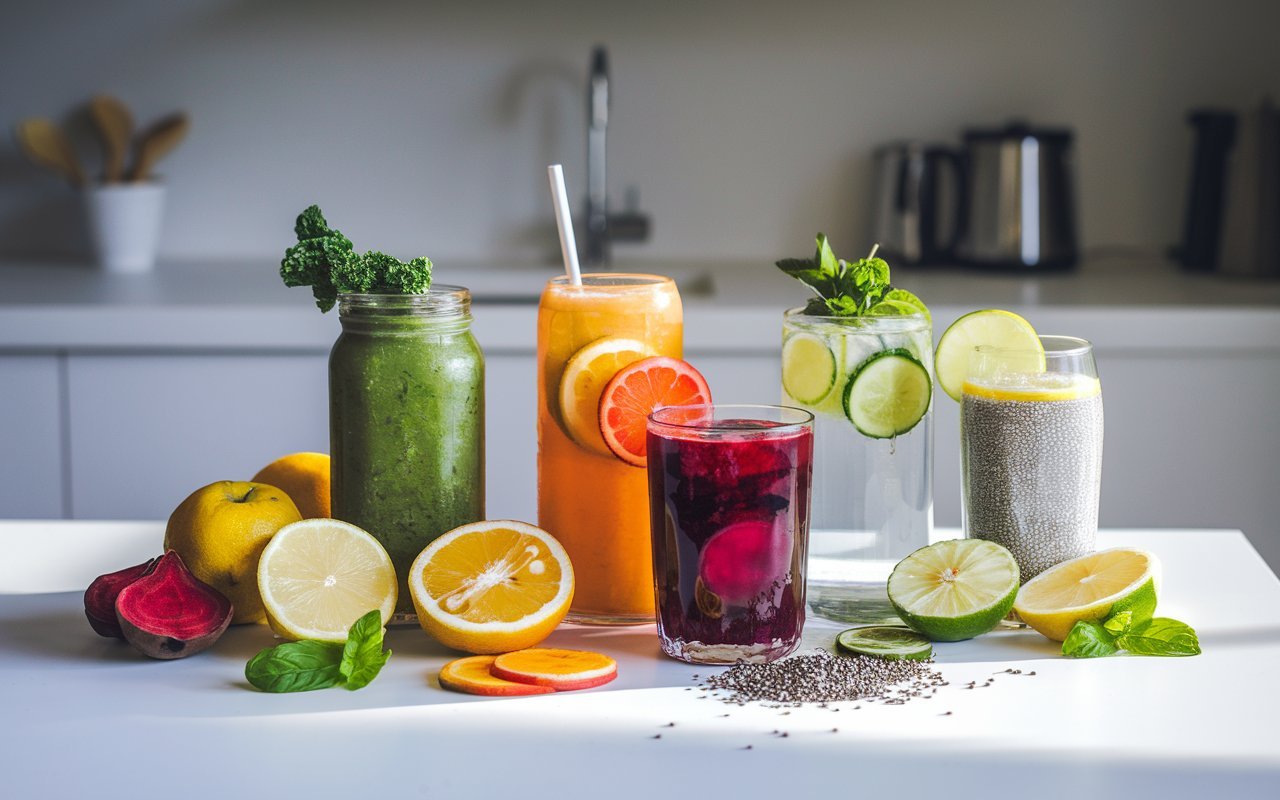
We’ve all been there—reaching for a sugary canned energy drink during the mid-afternoon slump, only to face a jittery crash an hour later. But what if your pick-me-up actually supported your long-term health? Learning how to make prebiotic drinks at home is a game-changer for your gut and your energy levels. Unlike traditional stimulants, these healthy energy drinks focus on nourishing your microbiome while providing a steady, natural lift. By combining fiber-rich prebiotics with hydrating bases, you can create functional beverages that keep you fueled, focused, and bloat-free throughout the day.
1. Understanding the Prebiotic Advantage
Prebiotics are non-digestible fibers that act as fuel for the “good” bacteria in your gut. By incorporating them into your drinks, you support digestion and immune health. This foundation ensures that the energy you feel is sustained rather than a temporary spike.
2. Ditching Synthetic Stimulants
Most commercial energy drinks rely on synthetic caffeine and excessive taurine. DIY prebiotic drinks use natural sources like green tea or raw cacao. This prevents the “heart-racing” feeling and ensures your nervous system remains calm while your brain stays sharp and alert.
3. The Power of Chicory Root
Chicory root is one of the richest sources of inulin, a powerful prebiotic fiber. When roasted and steeped, it offers a coffee-like flavor without the acidity. It’s an excellent base for a gut-healthy latte that provides a smooth, grounded energy boost.
4. Raw Honey as a Natural Sweetener
Avoid refined sugars that feed harmful gut bacteria. Raw honey contains enzymes and small amounts of prebiotics. It provides the glucose your brain needs for immediate tasks while offering antimicrobial benefits that support your overall internal environment and digestive health.
5. Incorporating Apple Cider Vinegar
A splash of “ACV” with the mother provides acetic acid, which can help stabilize blood sugar levels. When your blood sugar is stable, you avoid the fatigue-inducing spikes. It adds a refreshing tang to any homemade sparkling prebiotic tonic.
6. Utilizing Resistant Starch
Adding a small amount of unmodified potato starch or green banana flour to a smoothie-style drink provides resistant starch. This passes through the small intestine untouched, reaching the colon to feed beneficial Bifidobacteria, which are essential for metabolic health.
7. The Role of Baobab Powder
Baobab is a superfruit packed with vitamin C and prebiotic fiber. Its citrusy flavor makes it perfect for “energy waters.” The high vitamin C content helps with iron absorption, which is vital for preventing the fatigue associated with anemia.
8. Choosing the Right Liquid Base
Instead of plain water, use coconut water or herbal infusions. Coconut water provides essential electrolytes like potassium and magnesium. These minerals are crucial for muscle function and preventing the dehydration that often masquerades as low energy or brain fog.
9. Ginger for Digestive Fire
Fresh ginger root adds a spicy kick and promotes “motility”—the movement of food through the digestive tract. A healthy gut moves efficiently, preventing the sluggishness associated with poor digestion. It’s a staple for any DIY healthy energy drink.
10. Dandelion Root Detoxification
Dandelion root is a prebiotic powerhouse that also supports liver function. A healthy liver filters toxins more effectively, leading to clearer skin and higher natural energy. Try it as a chilled tea base mixed with lemon and a pinch of salt.
11. The Magic of Chia Seeds
When soaked, chia seeds form a prebiotic mucilage that is incredibly soothing to the gut lining. They also provide Omega-3 fatty acids and a slow release of carbohydrates, making them the ultimate “endurance” ingredient for homemade energy beverages.
12. Using Jerusalem Artichoke
Don’t let the name fool you; this root is loaded with inulin. You can find Jerusalem artichoke powder to stir into juices. It has a mild, nutty sweetness that enhances the flavor profile while significantly boosting the fiber content of your drink.
13. Balancing Flavors with Citrus
Lemons, limes, and grapefruits provide bioflavonoids and a refreshing zest. The acidity helps balance the earthiness of prebiotic roots like chicory or burdock. Citrus also provides a sensory “wake-up” call that stimulates the mind instantly upon the first sip.
14. Bubbles Without the Trouble
If you crave soda, use a carbonated mineral water base. Mix it with your prebiotic fibers and fruit purees. You get the satisfying “fizz” of a soft drink without the phosphoric acid or high-fructose corn syrup found in traditional sodas.
15. The Importance of Gradual Intake
If you are new to prebiotics, start with smaller servings. Suddenly increasing fiber can cause temporary bloating. Let your gut microbiome adapt to the new fuel source. Consistency is more important than quantity when building a healthy gut environment.
16. Creating a “Belly-Good” Lemonade
Combine filtered water, lemon juice, a teaspoon of inulin powder, and a dash of stevia. This simple concoction mimics expensive store-bought prebiotic sodas. It’s hydrating, refreshing, and feeds your microbiome for a fraction of the retail price.
17. Storing Your Homemade Drinks
Most homemade prebiotic drinks are best consumed fresh to preserve enzyme activity. However, you can prep “concentrates” of ginger, lemon, and honey to keep in the fridge. Just add your prebiotic fiber and bubbles right before you’re ready to drink.
18. Mindful Consumption Timing
For the best energy results, consume your prebiotic drink between meals. This allows the fibers to work on your gut without competing with heavy food digestion. It’s the perfect “bridge” to keep you satisfied and energized until dinner.
SEO Meta Description
Learn how to make prebiotic drinks at home with our easy guide. Discover healthy energy drinks that boost gut health and provide natural energy without the crash.
Focus Keywords
- Prebiotic drinks at home
- Healthy energy drinks
- Gut health beverages
- Homemade prebiotic soda
- Natural energy boosters
- Inulin drink recipes
- DIY functional drinks
FAQ Section
Q: Can I drink prebiotic drinks every day? A: Yes, daily consumption is encouraged to maintain a healthy microbiome. However, start with one serving a day to allow your digestive system to adjust to the increased fiber intake.
Q: Do prebiotic drinks contain caffeine? A: They don’t have to! While you can add green tea or yerba mate for a boost, many prebiotic drinks rely on nutrients and stable blood sugar for energy rather than caffeine.
Q: What is the best prebiotic powder for drinks? A: Inulin (from chicory root) and Acacia fiber are the most popular because they dissolve easily and have a very mild flavor that doesn’t ruin the taste of your beverage.
Internal Linking Suggestions
- 10 High-Fiber Foods to Pair with Your Morning Drink
- The Difference Between Probiotics and Prebiotics Explained
- Natural Sweeteners: Which One Is Best for Gut Health?
Conclusion
Transitioning to prebiotic drinks at home is one of the simplest yet most effective ways to upgrade your daily wellness routine. By choosing whole-food ingredients and functional fibers, you move away from the cycle of caffeine crashes and toward a state of sustained, vibrant health. These drinks prove that you don’t have to sacrifice flavor or convenience for nutrition. Start experimenting with these ingredients today and feel the difference that a happy gut makes.
Leave a Reply