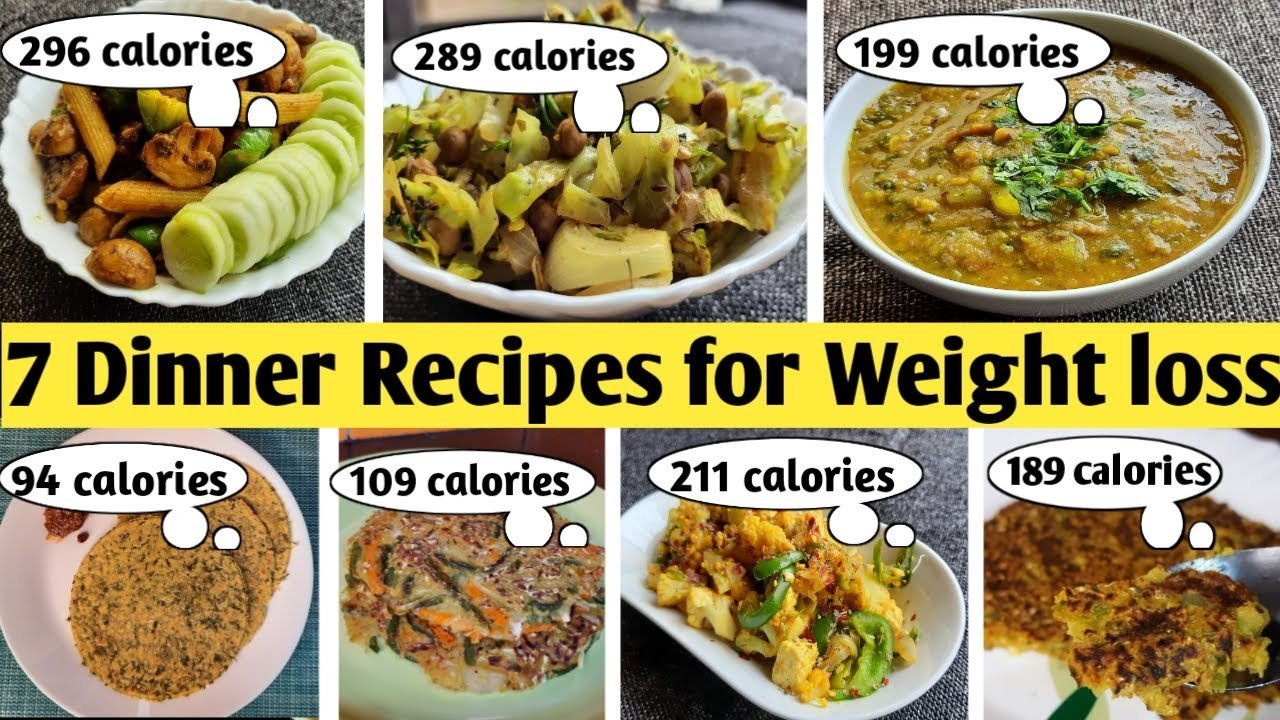
The age-old question of what to eat for dinner often becomes a source of anxiety for those on a fitness journey. Many believe that skipping the final meal of the day is the ultimate shortcut, but the real weight loss secrets lie in balance and nutrient timing rather than deprivation. Your evening meal plays a critical role in stabilizing blood sugar, managing hunger hormones, and ensuring your body has the necessary nutrients for overnight repair. By choosing the right combination of lean proteins, fiber-rich vegetables, and healthy fats, you can turn your dinner into a powerful tool for metabolic health and sustainable fat loss.
1. Prioritize Lean Protein Sources
Protein is the cornerstone of a fat-burning dinner. It has a high thermic effect, meaning your body burns more calories digesting it than fats or carbs. Opt for grilled chicken, turkey, tofu, or white fish to keep your muscles fueled without excess caloric density.
2. Embrace the Power of Leafy Greens
Volume eating is a major secret to staying full while losing weight. Filling half your plate with spinach, kale, or arugula adds essential micronutrients and bulk to your meal for very few calories. This prevents overeating and provides the fiber necessary for digestive health.
3. Incorporate Complex Carbohydrates
You don’t have to fear carbs at night. Switching from refined white pasta to complex options like sweet potatoes or quinoa provides a steady release of energy. This prevents the late-night insulin spikes that often lead to fat storage and midnight snacking urges.
4. The Role of Healthy Fats
Healthy fats, such as those found in avocado or olive oil, are vital for hormone production. A small serving at dinner helps slow down digestion, ensuring you feel satiated until morning. This hormonal balance is a key pillar in long-term weight management.
5. Mindful Portion Control
Even healthy foods can hinder progress if consumed in excess. Using smaller plates or following the “plate method”—half veggies, one-quarter protein, and one-quarter starch—helps visually manage portions. This simple psychological trick ensures you stay within your daily caloric requirements effortlessly.
6. The Benefits of Early Dining
Eating dinner at least two to three hours before bedtime is a significant weight loss secret. It allows your body to focus on cellular repair and fat oxidation during sleep, rather than diverting energy toward heavy digestion, which can disrupt your circadian rhythm.
7. Hydration Before the Meal
Drinking a glass of water 20 minutes before dinner can significantly reduce hunger. Often, our brains mistake thirst for hunger. Staying hydrated ensures you eat exactly what your body needs and helps flush out excess sodium, reducing morning bloating.
8. Opt for Roasted Vegetables
If you struggle with the taste of steamed greens, try roasting broccoli, Brussels sprouts, or cauliflower. Roasting brings out natural sweetness through caramelization, making high-fiber vegetables more palatable and satisfying, which helps you stick to your nutritional goals consistently.
9. Spice Things Up for Metabolism
Adding spices like cayenne pepper, ginger, or turmeric can slightly boost your metabolic rate. Capsaicin, found in hot peppers, has been shown to increase thermogenesis. These flavor enhancers also reduce the need for high-calorie sauces or excessive salt.
10. Avoid Liquid Calories at Night
Sugary drinks or excessive alcohol at dinner can quickly stall weight loss. These provide “empty” calories that spike insulin and lower inhibitions, making you more likely to overeat. Stick to herbal teas or sparkling water with lemon to keep your metabolism on track.
11. Choose Low-Sodium Options
High salt intake at dinner causes the body to retain water, leading to a higher number on the scale the next morning. Focus on seasoning with fresh herbs and lemon juice to enhance flavor without the inflammatory effects of processed salt.
12. The Importance of Slow Chewing
Eating slowly allows your brain to receive “fullness” signals from your stomach. It takes about 20 minutes for these signals to register. By savoring each bite, you improve digestion and naturally consume fewer calories without feeling deprived of your favorite foods.
13. Include Fermented Foods
A healthy gut microbiome is linked to easier weight management. Adding a side of kimchi, sauerkraut, or a dollop of Greek yogurt to your dinner can improve digestion and reduce inflammation, which are both crucial for efficient fat loss.
14. Focus on Fiber-Rich Legumes
Beans, lentils, and chickpeas are excellent dinner staples. They are packed with protein and soluble fiber, which forms a gel-like substance in the gut. This slows glucose absorption and keeps you feeling incredibly full throughout the evening hours.
15. Lean into Soup-Based Starters
Starting your meal with a clear, vegetable-based broth can reduce your total caloric intake for the evening. The high water content fills the stomach early on, acting as a natural appetite suppressant before you move to the main course.
16. Steer Clear of Processed Meats
Deli meats, sausages, and bacon are often loaded with preservatives and hidden fats. For weight loss, stick to whole, unprocessed protein sources. This ensures you are getting high-quality amino acids without the chemical additives that can disrupt metabolic health.
17. Use Vinegar-Based Dressings
Apple cider vinegar or balsamic vinaigrette can help improve insulin sensitivity. Adding a splash to your evening salad can blunt the blood sugar response of your meal, making it easier for your body to access stored fat for energy.
18. Prepare Your Own Meals
Restaurant dinners are notoriously high in hidden fats, sugars, and salt. Cooking at home gives you total control over the ingredients. Meal prepping your dinners ensures you have a healthy option ready, even after a long and tiring workday.
19. Limit High-Sugar Desserts
If you have a sweet tooth after dinner, opt for a small bowl of berries instead of processed sweets. Berries are low in sugar and high in antioxidants, providing a satisfying finish to your meal without causing a massive insulin spike.
20. Listen to Hunger Cues
One of the best weight loss secrets is learning to distinguish between emotional hunger and physical hunger. If you aren’t truly hungry, a lighter dinner like a protein shake or a small salad may be all your body requires for the night.
SEO Meta Description: Discover the top weight loss secrets for dinner. Learn what to eat, when to eat, and how to optimize your evening meals for maximum fat loss and health.
Focus Keywords:
- Weight loss secrets
- Healthy dinner ideas
- Fat loss nutrition
- Low calorie dinner
- Metabolism boosting foods
- Evening meal for weight loss
FAQ Section:
- Is it bad to eat carbs at dinner for weight loss? No, complex carbs like sweet potatoes or brown rice are perfectly fine in moderation. They provide fiber and help you sleep better by supporting serotonin production.
- What is the best time to eat dinner? Ideally, you should eat dinner 2–3 hours before sleep. This allows for proper digestion and ensures your body can focus on fat burning during the night.
- Can I drink coffee after dinner? It is best to avoid caffeine in the evening as it can disrupt sleep. Poor sleep quality is a major contributor to weight gain and increased sugar cravings.
Internal Linking Suggestions:
- 10 High-Protein Breakfasts to Kickstart Your Metabolism
- The Truth About Intermittent Fasting for Beginners
- How to Meal Prep Like a Pro: A Weekly Guide
Conclusion
Achieving your fitness goals doesn’t require starving yourself at night. By implementing these weight loss secrets, such as prioritizing lean protein, increasing fiber intake, and practicing mindful eating, you can enjoy delicious dinners while supporting your metabolism. Consistency is the most important factor; focus on making small, sustainable changes to your evening routine. Start tonight by choosing whole foods over processed ones, and you will see the results in your energy levels and on the scale.
Leave a Reply