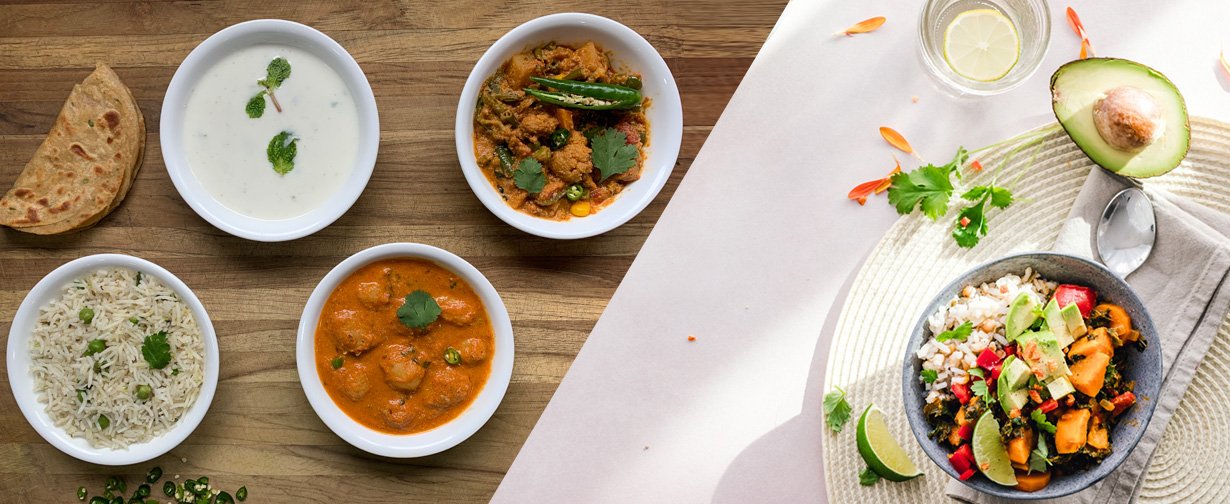
In the fast-paced world of the 21st century, our relationship with food has shifted from a source of nourishment to a matter of convenience. While we have more choices than ever, our health metrics suggest something is missing. Comparing the traditional vs. modern diet reveals a stark contrast: our ancestors ate whole, seasonal foods, while we often rely on ultra-processed alternatives. This shift has led many to wonder if the “old-fashioned” way of eating was actually superior for our longevity and well-being. By returning to these roots, we can rediscover the profound benefits of a simpler, more intentional plate.
1. The Power of Whole Foods
Traditional diets were built on ingredients in their most natural state. Without industrial processing, people consumed grains, vegetables, and meats that retained their full fiber and micronutrient profiles. This foundation kept metabolic health stable and prevented the blood sugar spikes common today.
2. Seasonal Eating Cycles
Before global shipping, people ate what the earth provided at that specific time. This ensured a diverse intake of nutrients throughout the year. Eating seasonally naturally aligns our bodies with the environment, providing the specific vitamins needed for different weather conditions.
3. Fermentation for Gut Health
Sourdough, sauerkraut, and yogurt weren’t trends; they were preservation necessities. These traditional fermented foods provided a constant supply of natural probiotics. This kept the ancestral microbiome diverse and robust, supporting immunity and mental health long before “gut health” became a buzzword.
4. Zero Ultra-Processed Ingredients
Old-fashioned eating lacked the chemical emulsifiers, artificial dyes, and hydrogenated oils found in modern snacks. These synthetic additives are linked to chronic inflammation. By sticking to “real” food, our ancestors avoided the hidden toxins that permeate today’s supermarket shelves.
5. Healthy Fats vs. Seed Oils
Traditional diets relied on stable fats like butter, lard, or olive oil. Modern diets are saturated with highly refined seed oils like soybean and canola. These modern oils are high in Omega-6 fatty acids, which can trigger inflammatory responses when not balanced correctly.
6. The Art of Nose-to-Tail Eating
Nothing went to waste in a traditional kitchen. Organ meats and bone broths were staples, providing collagen, glycine, and fat-soluble vitamins (A, D, K2) that are often missing from modern muscle-meat-heavy diets. These nutrients are essential for joint and skin health.
7. Slow Food and Digestion
Traditional meals were often a slow, communal affair. This allowed the body to enter a “rest and digest” state. Modern “desk lunches” and eating on the run trigger stress hormones that impair nutrient absorption and lead to digestive discomfort.
8. Lower Sugar Consumption
In the past, sweetness came from whole fruits or occasional honey. Modern diets hide sugar in everything from bread to pasta sauce. This chronic overconsumption of refined sugar is the primary driver of the modern metabolic syndrome and insulin resistance.
9. Natural Soil Quality
Years ago, soil was richer in minerals because of crop rotation and natural fertilizers. This meant the vegetables our grandparents ate were more nutrient-dense than today’s mass-produced crops, which often grow in depleted soil focused on yield over nutrition.
10. Locally Sourced Freshness
Food didn’t travel thousands of miles to reach the plate. Local sourcing meant produce was picked at peak ripeness, when nutrient levels are highest. Modern produce is often picked green and chemically ripened, losing significant antioxidant value during transport.
11. Satiety Through Fiber
Traditional diets were naturally high in fiber from legumes, tubers, and whole grains. Fiber regulates appetite by signaling fullness to the brain. Modern refined carbohydrates strip this fiber away, leading to overeating and constant hunger throughout the day.
12. Traditional Soaking and Sprouting
Ancient cultures often soaked or sprouted grains and seeds before cooking. This process neutralizes “anti-nutrients” like phytic acid, making minerals like iron and magnesium more bioavailable. This simple step made grains much easier on the human digestive system.
13. Mindful Preparation
Cooking was once a daily ritual, not a chore. The time spent preparing food creates a psychological connection to the meal. This mindfulness encourages better portion control and a deeper appreciation for the ingredients, reducing the tendency to binge.
14. Foraging and Biodiversity
Our ancestors consumed hundreds of different plant species, including wild greens and berries. Today, the modern diet relies heavily on just a few crops like corn, wheat, and soy. This lack of biodiversity limits our intake of unique phytonutrients.
15. The Absence of “Hidden” Calories
Modern processed foods are engineered to be hyper-palatable, making it easy to consume 1,000 calories without feeling full. Traditional meals, rich in protein and complex fats, provided a natural “off-switch” for hunger that kept obesity rates significantly lower.
16. Water as the Primary Beverage
Before sodas and “functional” energy drinks, water and herbal teas were the standard. Modern beverages are often liquid candy, contributing to weight gain and tooth decay. Returning to plain water is perhaps the simplest way to mimic traditional health.
17. Respect for Meal Times
In the past, meals were the anchor of the day. There was a clear beginning and end to eating. Today’s “snacking culture” means the digestive system never gets a break, preventing the body from performing essential cellular cleanup processes.
18. Physical Activity During Sourcing
Traditional eating often required physical effort—gardening, walking to markets, or manual food prep. This “neat” (non-exercise activity thermogenesis) helped burn calories naturally. Modern food delivery removes this movement, contributing to a sedentary lifestyle and poor metabolic health.
19. Natural Preservation Methods
Salting, drying, and smoking were the primary ways to keep food. While salt should be monitored, these methods are far more “honest” than the complex chemical preservatives used today to give breads and snacks a shelf life of several years.
20. Community and Mental Well-being
Eating was a social glue. Sharing a traditional meal fostered a sense of belonging and reduced stress. Modern solitary eating—often in front of a screen—is linked to higher levels of cortisol and a lower satisfaction with life.
SEO Meta Description
Discover why the traditional vs. modern diet debate matters. Learn how old-fashioned eating habits, whole foods, and seasonal meals can improve your health today.
Focus Keywords
- Traditional vs. modern diet
- Whole food nutrition
- Benefits of seasonal eating
- Ancestral health
- Processed food vs. real food
- Metabolic health tips
- Traditional food preparation
FAQ Section
Q: Is it more expensive to eat a traditional diet? A: Not necessarily. While organic produce can be pricey, staples of a traditional diet—like dried beans, grains, and seasonal vegetables—are often cheaper than buying packaged convenience foods and pre-made meals.
Q: Do I have to give up all modern foods? A: No. The goal is a shift in balance. Try to follow the 80/20 rule: focus on whole, traditional foods 80% of the time, leaving room for modern conveniences when necessary.
Q: What is the easiest traditional habit to start? A: Start by cooking one more meal at home each week using fresh ingredients. Eliminating liquid sugars like soda is also a high-impact, traditional change you can make immediately.
Internal Linking Suggestions
- The Guide to Fermenting at Home: A beginner’s look at making your own sauerkraut and yogurt.
- Top 10 Seasonal Recipes for Fall: How to use local produce to boost your immunity.
- Understanding Seed Oils: Why switching back to butter and olive oil might save your gut.
Conclusion
While we cannot travel back in time, we can certainly bring the wisdom of the past into our modern kitchens. The traditional vs. modern diet comparison proves that simplicity often trumps technology when it comes to human biology. By prioritizing whole ingredients, seasonal produce, and mindful preparation, we can reclaim our health. It isn’t about perfection; it’s about returning to a way of eating that honors our bodies and the planet.
Leave a Reply