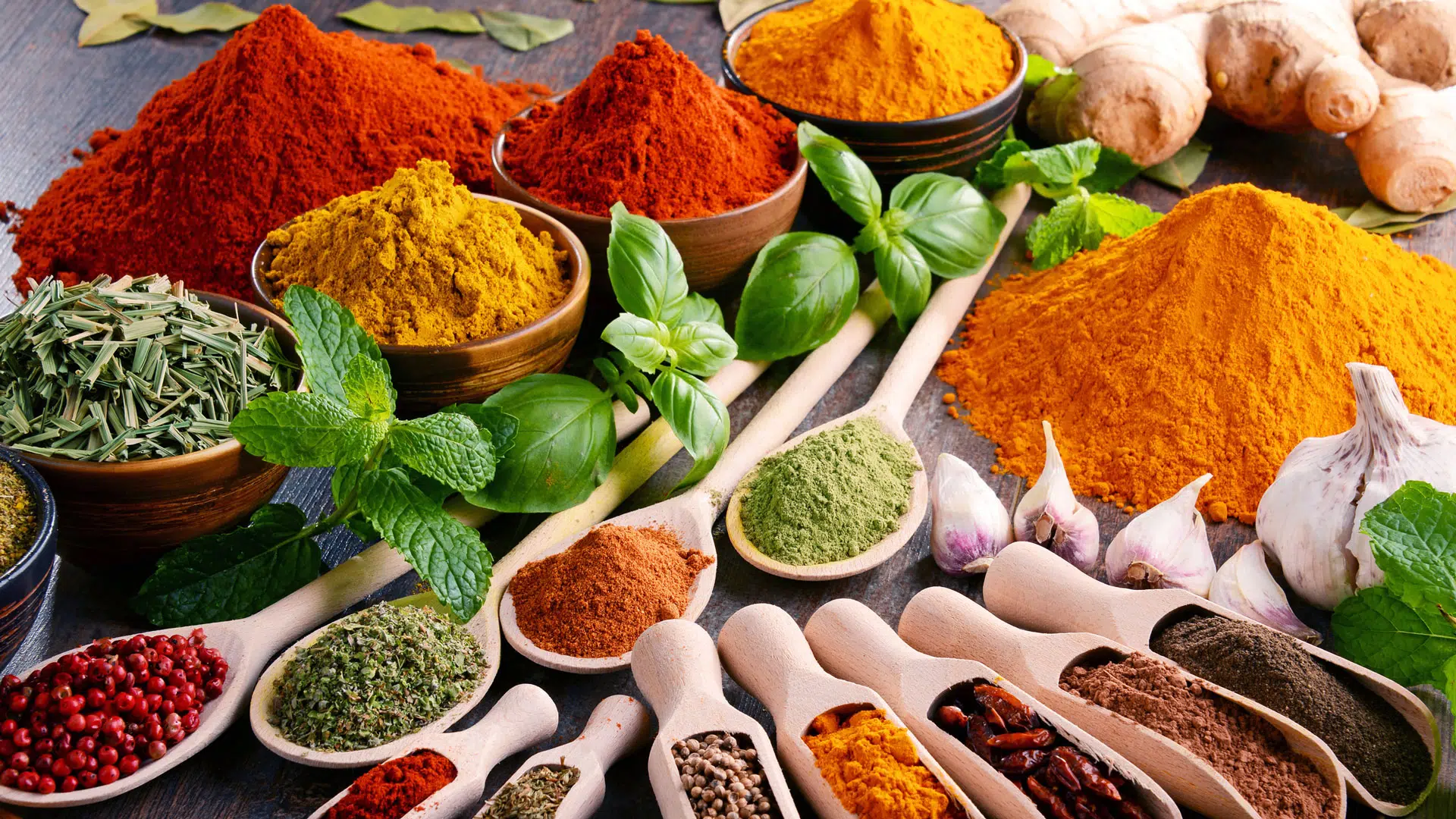
Living with chronic aches or joint stiffness can make daily tasks feel like a mountain to climb. While modern medicine has its place, many people are turning back to nature’s pantry to find relief. Using anti-inflammatory spices is a time-tested way to manage discomfort naturally. These potent plant-based ingredients contain bioactive compounds that target the biological pathways responsible for swelling and soreness. By incorporating specific spices that help relieve body pain into your daily meals, you can support your body’s healing process from the inside out. In this guide, we will explore the best science-backed seasonings to help you reclaim your comfort.
1. The Golden Power of Turmeric
Turmeric is perhaps the most famous of all anti-inflammatory spices. It contains curcumin, a compound that blocks enzymes like COX-2, which are responsible for inflammation. Adding a teaspoon to soups or stews can provide a steady defense against chronic joint pain and general body stiffness.
2. Ginger for Muscle Soreness
Ginger is more than just a digestive aid; it is a powerhouse for pain relief. Its active components, gingerols, work similarly to ibuprofen by suppressing pro-inflammatory molecules. It is particularly effective for reducing delayed-onset muscle soreness after a tough workout or a long day.
3. Cinnamon and Joint Swelling
Cinnamon is rich in cinnamaldehyde, which inhibits the release of inflammatory fatty acids. Regular consumption can help reduce markers of inflammation in the blood, making it an excellent addition to oatmeal or coffee for those dealing with rheumatoid arthritis or localized swelling.
4. Garlic’s Sulfur Compounds
Garlic contains diallyl disulfide, an anti-inflammatory compound that limits the effects of pro-inflammatory cytokines. This makes garlic a “must-have” for preventing cartilage damage. For the best results, crush fresh garlic and let it sit for ten minutes before cooking to activate its healing enzymes.
5. Cayenne Pepper and Capsaicin
The heat in cayenne pepper comes from capsaicin, a substance widely used in topical pain creams. When consumed, it can help desensitize pain receptors and improve circulation. Just a pinch in your morning eggs can stimulate blood flow and help flush out inflammatory toxins.
6. Black Pepper for Bioavailability
While black pepper has its own mild anti-inflammatory properties, its real strength lies in piperine. Piperine increases the absorption of curcumin (from turmeric) by up to 2,000%. Always pair black pepper with turmeric to ensure you are actually getting the pain-relieving benefits you expect.
7. Cloves and Eugenol
Cloves contain high concentrations of eugenol, a compound with significant analgesic and anti-inflammatory properties. Historically used for toothaches, cloves are now recognized for their ability to lower the risk of oxidative stress, which is a primary driver of chronic systemic inflammation and nerve pain.
8. Rosemary’s Antioxidant Shield
Rosemary is packed with rosmarinic acid, which has been shown to reduce inflammatory responses in the body. It is especially helpful for improving circulation and reducing the “brain fog” often associated with chronic pain conditions. Use it fresh in roasted vegetables for maximum flavor and potency.
9. Sage for Inflammatory Relief
Sage has been used for centuries to treat swelling and discomfort. Modern studies suggest that its flavonoids help inhibit the inflammatory response at a cellular level. It is a savory way to protect your tissues from the wear and tear of daily physical exertion.
10. Cardamom for Metabolic Balance
Cardamom is a relative of ginger and shares many of its anti-inflammatory traits. It helps neutralize free radicals and may reduce inflammation in the gut, which is often the starting point for systemic body pain. Its sweet-spicy profile works beautifully in both tea and baked goods.
11. Nutmeg for Nerve Pain
Nutmeg contains monoterpenes that have been studied for their ability to soothe chronic pain and swelling. It is particularly useful for those suffering from inflammatory-related nerve discomfort. Use it sparingly, as a little goes a long way in terms of both flavor and health benefits.
12. Cumin and Digestive Comfort
Cumin is an excellent source of antioxidants that help keep inflammation levels in check. Since gut health is closely linked to whole-body inflammation, using cumin to improve digestion can indirectly lead to a reduction in general body aches and inflammatory skin conditions.
13. Oregano’s Essential Oils
Oregano contains carvacrol, a potent compound that helps fight inflammation and bacterial infections simultaneously. It acts as a natural shield for the immune system, ensuring that your body doesn’t stay in a high-inflammatory state longer than necessary after an injury.
14. Thyme for Respiratory and Joint Ease
Thyme is rich in thymol, which helps the body manage its inflammatory response. While often used for respiratory health, these same properties extend to the joints and muscles, making it a versatile herb for maintaining overall physical comfort and mobility.
15. Coriander Seeds for Cooling
In traditional medicine, coriander is considered a “cooling” spice. It contains cineole and linoleic acid, which possess anti-rheumatic properties. Incorporating ground coriander into your diet can help reduce the redness and heat often associated with inflammatory flare-ups in the joints.
16. Fenugreek for Glucose and Pain
Fenugreek seeds are known for their ability to lower inflammation and improve insulin sensitivity. Because high blood sugar can trigger inflammatory pathways, fenugreek serves a dual purpose by stabilizing your internal chemistry and soothing physical pain from chronic conditions.
17. Saffron: The Precious Healer
Saffron is expensive, but its crocin and crocetin compounds are incredibly powerful. These antioxidants help protect the brain and nervous system from inflammation. Even a tiny pinch in rice or tea can help elevate mood while tackling the root causes of physical discomfort.
18. Fennel for Reduced Swelling
Fennel seeds contain anethole, which has strong anti-inflammatory and anti-spasmodic properties. It is particularly effective for reducing swelling in the digestive tract and limbs. Chewing on fennel seeds after a meal can provide quick relief for inflammatory bloating and discomfort.
19. Allspice for Whole-Body Relief
Allspice combines the properties of cloves, cinnamon, and nutmeg. It contains quercetin and tannins, which are known to reduce inflammation and provide a mild numbing effect on sore tissues. It’s an easy way to get a “multivitamin” of spices in one go.
20. Star Anise for Viral Defense
Star anise contains shikimic acid and various antioxidants that help the body manage inflammation during illness. By reducing the systemic inflammation caused by viruses, it helps prevent the “body aches” typically associated with the flu or seasonal colds.
SEO Meta Description
Discover the best anti-inflammatory spices to naturally manage discomfort. Learn how spices that help relieve body pain like turmeric and ginger work.
Focus Keywords
- Anti-inflammatory spices
- Spices that help relieve body pain
- Natural pain relief
- Turmeric benefits for inflammation
- Healing spices for joints
FAQ Section
Q: How much turmeric should I eat daily for pain relief? A: Most studies suggest about 500–1,000 mg of curcuminoids per day. In kitchen terms, this is roughly 1/2 to 1 teaspoon of high-quality turmeric powder, always consumed with black pepper.
Q: Can I use dried spices instead of fresh ones? A: Yes! While fresh ginger and garlic are potent, dried spices are often more concentrated. Ensure your spices are fresh and haven’t been sitting in the cupboard for years to maintain their efficacy.
Q: Are there any side effects to using these spices? A: In culinary amounts, these spices are safe for most people. However, if you are on blood thinners, consult a doctor before significantly increasing your intake of turmeric or ginger, as they have mild thinning properties.
Internal Linking Suggestions
- 10 Best Anti-Inflammatory Recipes for Dinner: A roundup of meals featuring these spices.
- The Ultimate Guide to Fresh vs. Dried Herbs: How to choose the best version for health.
- Natural Ways to Boost Your Immune System: Further reading on using food as medicine.
Conclusion
Incorporating anti-inflammatory spices into your diet is a delicious and sustainable way to support your long-term health. From the golden warmth of turmeric to the spicy kick of ginger, these spices that help relieve body pain offer a holistic approach to wellness. By making small, flavorful changes to your daily cooking, you can lower inflammation naturally and improve your quality of life. Start experimenting with these healing flavors today!
Leave a Reply