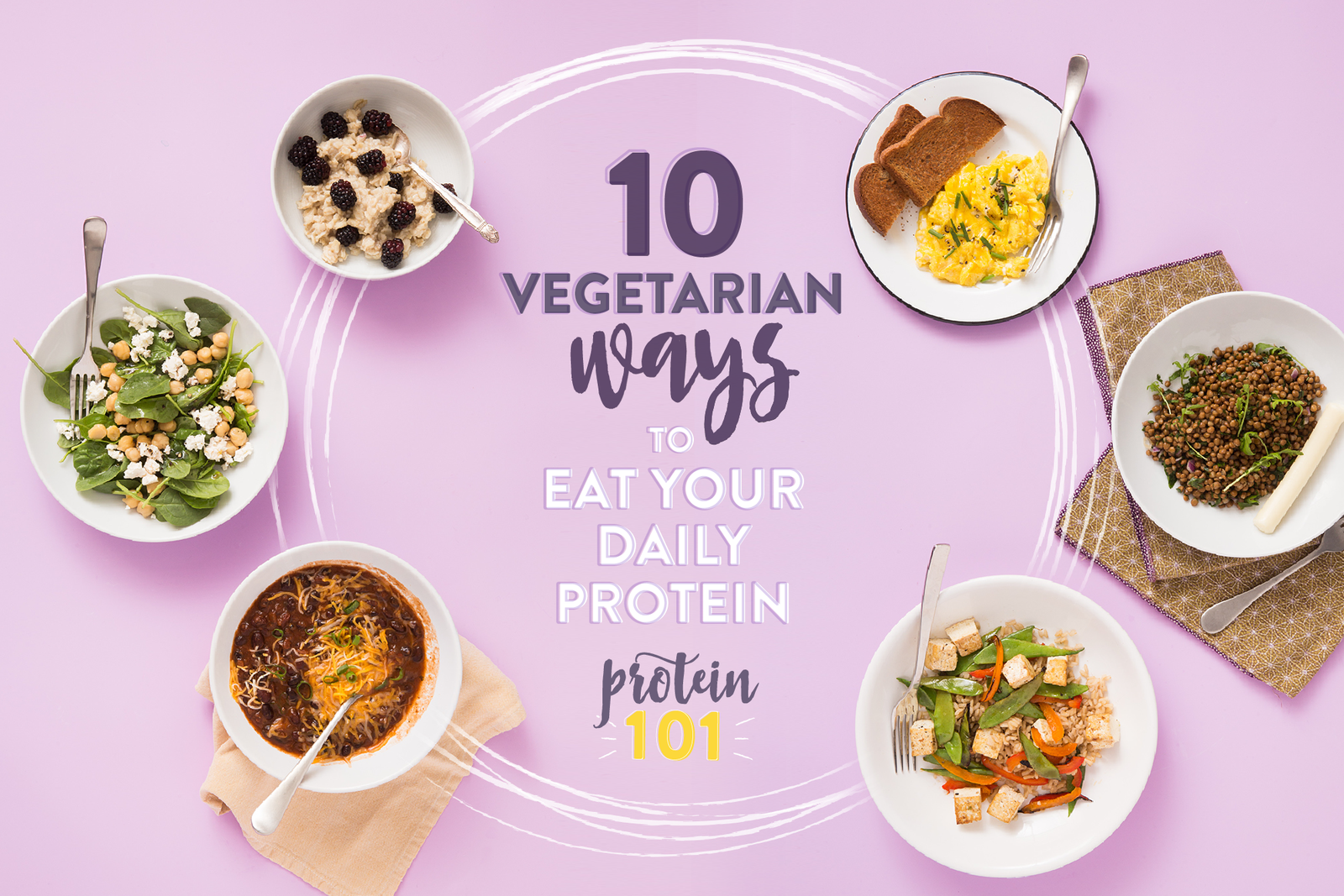
For a long time, the biggest myth surrounding plant-based eating was that it lacked sufficient muscle-building power. However, transitioning to a high-protein vegetarian diet doesn’t mean you have to settle for less strength or vitality. Whether you are an athlete looking to optimize performance or someone simply trying to stay satiated throughout the day, meeting your protein needs without meat is entirely achievable with the right strategy. By focusing on diverse, nutrient-dense whole foods, you can easily exceed your daily requirements while enjoying a variety of delicious, heart-healthy meals that support long-term wellness.
1. The Power of Greek Yogurt
Greek yogurt is a vegetarian powerhouse, containing nearly double the protein of regular yogurt. A single cup can provide up to 20 grams of protein, making it an excellent base for breakfasts or a creamy, high-protein substitute for sour cream in savory dishes.
2. Lentils: The Budget-Friendly Staple
Lentils are a nutritional goldmine, offering about 18 grams of protein per cooked cup. They are incredibly versatile, fitting perfectly into hearty stews, tacos, or salads. Plus, their high fiber content helps stabilize blood sugar and keeps you feeling full for hours.
3. Incorporating Complete Proteins with Quinoa
Unlike many plant sources, quinoa is a complete protein, meaning it contains all nine essential amino acids. Use it as a base for grain bowls or as a protein-rich replacement for rice to ensure your body gets the building blocks it needs.
4. The Versatility of Tempeh
Tempeh is made from fermented soybeans, giving it a firm texture and a nutty flavor. Because it is fermented, it is often easier on the digestion than other soy products and packs roughly 15 grams of protein per three-ounce serving.
5. Edamame as a Quick Snack
Edamame, or young soybeans, are one of the simplest ways to boost protein intake. Whether steamed as an appetizer or tossed into a stir-fry, a half-cup serving provides around 9 grams of protein alongside essential vitamins and minerals.
6. Hemp Seeds: Tiny Nutrition Bombs
Don’t be fooled by their size; hemp seeds are rich in omega-3 fatty acids and protein. Sprinkling three tablespoons over your morning oatmeal or smoothie adds 10 grams of high-quality protein and a pleasant, subtle crunch to your meal.
7. Choosing High-Protein Pasta Alternatives
Modern pantry staples now include pasta made from chickpeas or black beans. These alternatives can contain up to 25 grams of protein per serving, allowing you to enjoy a classic comfort food meal while hitting your macro goals effortlessly.
8. The Role of Seitan in Meat Substitution
Often called “wheat meat,” seitan is made from gluten and has a texture remarkably similar to chicken or beef. It is one of the densest vegetarian protein sources available, offering about 25 grams of protein per 3.5-ounce portion.
9. Nutritional Yeast for Cheesy Flavor
Nutritional yeast is a deactivated yeast that provides a savory, “nooch” flavor to popcorn, pasta, and roasted vegetables. Just two tablespoons offer 8 grams of protein and a significant boost of B12, which is vital for vegetarian health.
10. Chia Seeds for Satiety
Chia seeds expand in liquid, creating a filling gel that is perfect for puddings or egg replacements. Beyond their 5 grams of protein per two tablespoons, they are loaded with fiber, helping to regulate digestion and improve heart health.
11. Chickpeas: The Foundation of Hummus
Chickpeas are a vegetarian essential. Whether roasted for a crunchy snack or blended into hummus, they provide 15 grams of protein per cup. They are also rich in iron, which is a key nutrient for those avoiding red meat.
12. Cottage Cheese as a Protein Secret
Cottage cheese is making a comeback for a reason. It is incredibly high in casein protein, which digests slowly and provides a steady release of amino acids. It’s perfect as a midnight snack or blended into pancake batter.
13. Pumpkin Seeds for Zinc and Protein
Pumpkin seeds, or pepitas, are an overlooked protein source. A small handful provides about 7 grams of protein. They are also an excellent source of magnesium and zinc, supporting immune function and muscle recovery after exercise.
14. The Benefit of Soy Milk
If you are looking for a dairy alternative, soy milk remains the king of protein. Unlike almond or oat milk, soy milk’s protein profile is comparable to cow’s milk, providing around 8 grams per cup to support muscle maintenance.
15. Black Beans for Heart Health
Black beans are a staple in many cuisines for a reason. With 15 grams of protein per cup, they provide a dense texture for veggie burgers and soups. Their dark pigment also indicates a high level of health-boosting antioxidants.
16. Sprouted Grain Bread
Swap your standard white bread for sprouted grain varieties. One slice can contain up to 5 grams of protein. Because the grains are sprouted, the nutrients are more bioavailable, and the bread is generally easier for the body to process.
17. Almonds for Healthy Fats and Protein
Almonds are a convenient, portable protein source. A quarter-cup serving offers 6 grams of protein. Pairing them with a piece of fruit creates a balanced snack that prevents energy crashes during a busy workday.
18. Tofu: The Ultimate Flavor Sponge
Tofu is perhaps the most famous vegetarian protein. Available in textures from silken to extra-firm, it absorbs the flavors of any marinade. It provides a complete protein source that is low in calories but high in versatility.
19. Combining Rice and Beans
The classic combination of rice and beans isn’t just a culinary tradition; it’s a biological win. Together, they form a complete protein profile, ensuring that vegetarians receive all the essential amino acids found in animal products.
20. Green Peas as a Protein Side
Never underestimate the humble green pea. A cooked cup contains 8 grams of protein. Adding peas to stews, pastas, or even blending them into a pesto is a simple way to “sneak” extra protein into your daily diet.
SEO Meta Description
Discover how to thrive on a high-protein vegetarian diet. Learn the best plant-based protein sources, meal tips, and nutritional secrets to meet your goals without meat.
Focus Keywords
- High-protein vegetarian diet
- Plant-based protein sources
- Meatless protein meals
- Vegetarian muscle building
- Complete plant proteins
- Vegetarian nutrition tips
FAQ Section
Q: Can I build muscle on a vegetarian diet? A: Absolutely. By consuming a variety of protein-rich foods like seitan, lentils, and Greek yogurt, and maintaining a caloric surplus, you can build muscle just as effectively as meat-eaters.
Q: What is a “complete” protein? A: A complete protein contains all nine essential amino acids that the body cannot produce on its own. Examples include quinoa, soy products, and the combination of rice and beans.
Q: Is it hard to get enough protein as a vegetarian? A: Not at all. With intentional meal planning that includes legumes, nuts, seeds, and dairy or soy, most vegetarians easily meet or exceed their daily protein requirements.
Internal Linking Suggestions
- Top 10 Meat Substitutes for Beginners: A guide to transitioning away from meat.
- The Ultimate Guide to Meal Prepping for Vegetarians: How to save time and stay healthy.
- Essential Vitamins Every Vegetarian Needs: Beyond protein, what else should you track?
Conclusion
Transitioning to a high-protein vegetarian diet is a rewarding journey for both your health and the environment. By diversifying your plate with legumes, ancient grains, and soy-based proteins, you ensure your body receives the fuel it needs to thrive. Remember that consistency and variety are key to success. Start by swapping one or two ingredients in your favorite recipes, and you’ll soon find that living meat-free is both delicious and incredibly energizing.
Leave a Reply