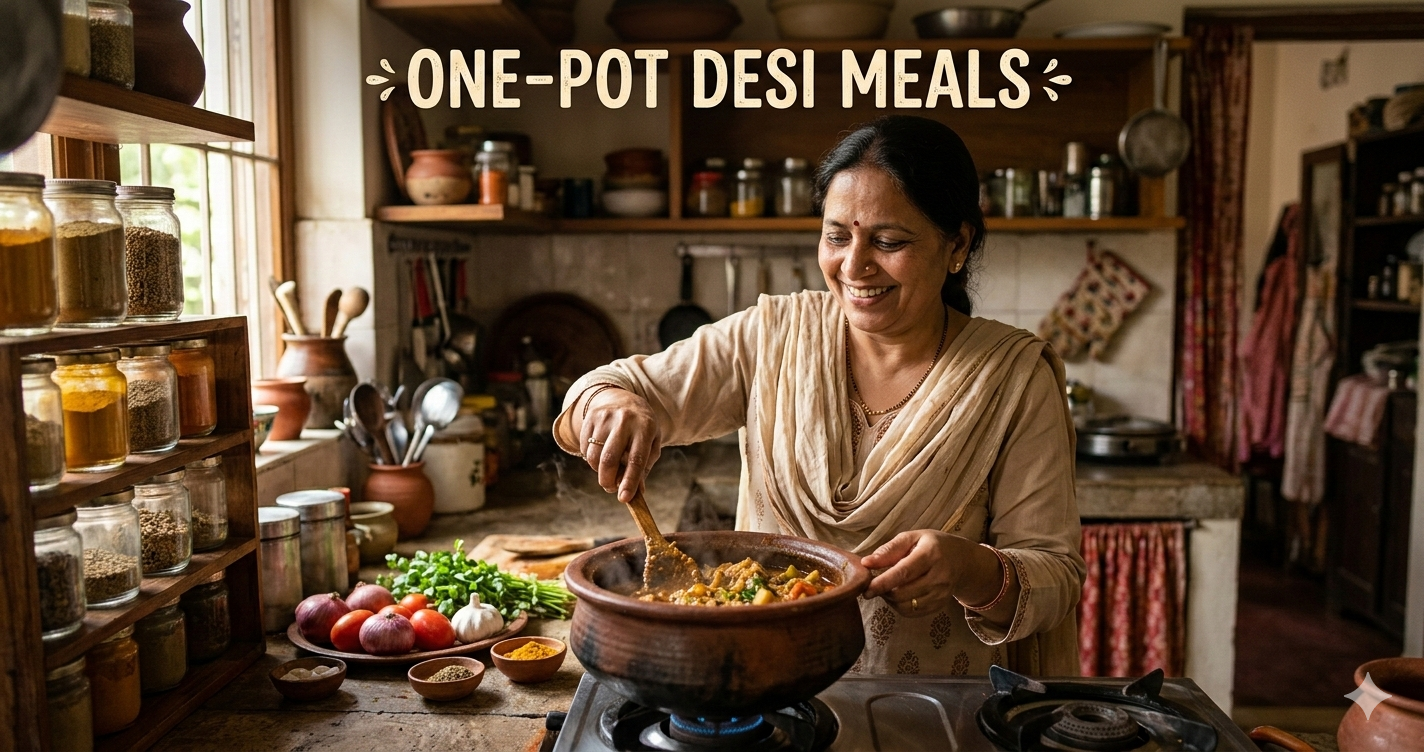
If the thought of a delicious home-cooked South Asian dinner is immediately dampened by the vision of a sink full of greasy pots and pans, you aren’t alone. Traditional Desi cooking is world-renowned for its depth, but it often requires multiple steps of frying, boiling, and tempering. However, one-pot Desi meals are changing the game for busy foodies. By utilizing smart techniques and modern cookware, you can achieve that signature slow-cooked flavor in a single vessel. This guide explores how to simplify your kitchen routine without sacrificing the aromatic spices and rich textures that make Desi cuisine a global favorite.
1. The Magic of Layering Flavors
In a one-pot setting, layering is everything. Start by sautéing your aromatics like onions and ginger-garlic paste until golden. This creates a flavor base that permeates the entire dish, ensuring that even with less cleanup, the depth of your curry remains authentically intense.
2. Choosing the Right Heavy-Bottomed Pot
To prevent burning and ensure even heat distribution, a heavy-bottomed pot or a Dutch oven is essential. These vessels retain heat beautifully, allowing meat to tenderize and rice to steam perfectly without the dreaded “burnt bottom” often associated with thinner cookware.
3. The Efficiency of the Pressure Cooker
Modern electric or stovetop pressure cookers are the ultimate tools for one-pot Desi meals. They cut cooking time by 70%, turning tough cuts of mutton or stubborn chickpeas into buttery delights while keeping all the nutrient-rich steam locked inside the pot.
4. One-Pot Chicken Pulao Perfection
Unlike biryani, which often requires separate boiling, a one-pot Chicken Pulao cooks the meat and rice together. The rice absorbs the chicken stock directly, resulting in grains that are bursting with savory juices and a cohesive flavor profile that is hard to beat.
5. Mastering the “Bhuna” Technique
Even in a single pot, don’t skip the “Bhuna” (frying) stage. Frying your spices in oil until they release their fragrance and the oil separates is the secret to avoiding a “raw” spice taste. This step is the soul of any great Desi gravy.
6. Vegetable Tahari: The Ultimate Comfort
Tahari is a vibrant, turmeric-stained rice dish loaded with seasonal vegetables. It is the definition of convenience. Throw in potatoes, peas, and cauliflower with your rice and spices for a wholesome, fiber-rich meal that requires only a single pot and a side of yogurt.
7. Daal Chawal in a Single Go
While usually served separately, “Khichdi” or “Masala Daal Rice” combines lentils and grains in one pot. It’s the ultimate Desi soul food. By adjusting the water ratio, you can make it porridge-like for comfort or fluffy for a more formal dinner.
8. The Art of the One-Pot Karahi
Traditional Karahi cooking is naturally one-pot. Using high heat and a wide wok, you can sear meat and reduce tomatoes into a thick, spicy masala. Since it’s served directly from the vessel, it saves you from washing serving bowls too!
9. Time-Saving Frozen Bases
To make one-pot cooking even faster, keep frozen cubes of ginger, garlic, and fried onion paste ready. Dropping these into your pot at the start saves ten minutes of prep time, making a 30-minute weeknight Desi dinner a realistic reality.
10. Managing Liquid Ratios
The biggest challenge in one-pot cooking is the water ratio. For rice-based dishes, a 1:2 ratio (rice to water) is generally safe. However, remember that vegetables and meat release their own moisture, so start with slightly less to avoid a mushy texture.
11. Whole Spices vs. Ground Spices
When cooking everything together, whole spices like cardamom, cloves, and cinnamon sticks provide a subtle, non-overwhelming aroma. Use ground spices toward the middle of the process to ensure they don’t burn during the initial high-heat sautéing phase.
12. The Role of Yogurt and Tomatoes
Adding yogurt or pureed tomatoes acts as the liquid base for your one-pot curry. These ingredients provide the acidity needed to balance heavy spices and help create a thick, luscious sauce that coats every ingredient perfectly.
13. One-Pot Keema Matar
Minced meat (keema) with peas is a lightning-fast one-pot option. Because the meat is ground, it cooks in minutes. Sauté it with onions and spices, toss in the peas, and let it simmer in its own juices for a protein-packed meal.
14. Finishing with Fresh Herbs
A one-pot meal can sometimes look monochromatic. Elevate the dish instantly by stirring in fresh cilantro, green chilies, or a squeeze of lemon juice just before serving. This adds a “fresh” layer that cuts through the richness of the cooked spices.
15. The “Dum” Method at Home
You can achieve a “Dum” (steam-cooked) effect in a single pot by sealing the lid with a clean kitchen towel or aluminum foil. This traps the steam, ensuring that rice or meat finishes cooking in its own vapors for maximum tenderness.
16. Cleaning as You Go
The beauty of the one-pot method is that while your meal simmers, you can wash the cutting board and knife used for prep. By the time the food is ready, your kitchen is already clean, leaving you to enjoy your meal.
17. Perfecting the One-Pot Egg Curry
Egg curry is a fantastic vegetarian-friendly one-pot meal. Boil the eggs separately if you must, but for a true one-pot experience, poach them directly in the simmering masala for a unique, shakshuka-style Desi twist that is absolutely delicious.
18. Nutritional Balance in One Vessel
To make your one-pot meals healthier, ensure a balance of protein (meat/lentils), carbohydrates (rice/potatoes), and fats. Adding a handful of spinach or kale at the very end is an easy way to sneak in greens without changing the flavor profile.
19. Using Leftovers Creatively
One-pot meals like Pulao or Masala Rice taste even better the next day. The spices have more time to marinate the grains. They pack perfectly for office lunches and reheat beautifully without losing their texture or moisture.
20. Essential Spices for Your Pantry
To master these recipes, keep a “Big Five” spice kit: Turmeric, Cumin, Coriander powder, Red Chili powder, and Garam Masala. With these, you can create almost any one-pot Desi dish imaginable with minimal effort and maximum flavor.
SEO Meta Description
Discover the best one-pot Desi meals to save time and effort. Learn easy recipes and tips for flavorful South Asian cooking with minimal cleanup. Perfect for busy weeknights!
Focus Keywords
-
One-pot Desi meals
-
Easy Indian recipes
-
Single pot curry
-
Quick Desi dinner
-
Indian one-pot rice
-
Less dishes cooking tips
FAQ Section
Q: Can I make Biryani in one pot? A: Yes! While traditional Biryani uses multiple pots, “Kachhi Biryani” or one-pot Masala Rice techniques allow you to layer raw meat and soaked rice together for a simplified version.
Q: What is the best pot for one-pot cooking? A: A heavy-bottomed stainless steel pot or a cast-iron Dutch oven is best. It prevents the spices and meat from sticking to the bottom during the sautéing phase.
Q: Are one-pot meals healthy? A: Absolutely. Because you are cooking everything together, the nutrients released by the vegetables and meat stay in the pot rather than being drained away with boiling water.
Internal Linking Suggestions
-
Top 10 Essential Desi Spices Every Kitchen Needs: A guide to building your pantry.
-
Pressure Cooker vs. Slow Cooker: Which is better for traditional curries?
-
15-Minute Desi Side Dishes: Quick salads and raitas to pair with your one-pot meals.
Conclusion
Embracing one-pot Desi meals doesn’t mean you’re cutting corners on quality; it means you’re cooking smarter. By focusing on flavor layering and using the right tools, you can enjoy the soul-warming spices of the East without the exhausting cleanup of the West. Whether it’s a fragrant Pulao or a hearty Daal, these recipes prove that less is truly more. Give these methods a try tonight for a stress-free, delicious dinner.
Leave a Reply